Neuroimaging genetics: linking brain imaging and genetic markers to classify healthy and disease
01

Neuroimaging Genetics

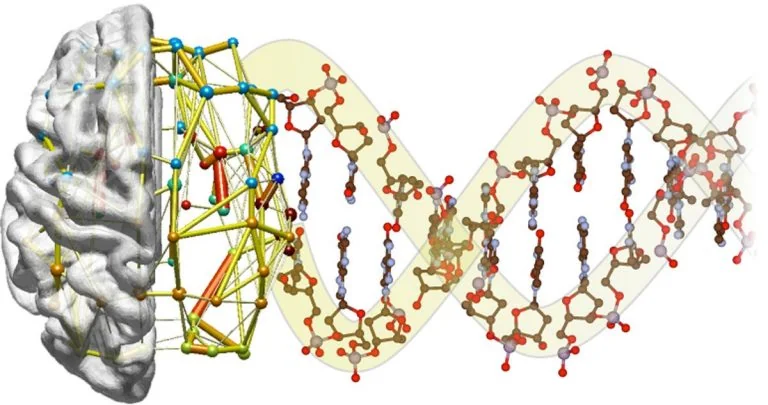
Imaging genetics = Neuroimaging + Genetics information

An emerging field that has huge potential to improve understanding of complex neurological conditions.

We identify concrete links between morphological or functional changes in the brain and genetic variants linked to disease, discovering biologically meaningful biomarkers.

  • Imaging genetics association & integration analysis
  • Sparse canonical correlation analysis (SCCA)
  • Multi-view non-negative matrix factorization
  • Biomarkers of Parkinson’s & Alzheimer’s disease
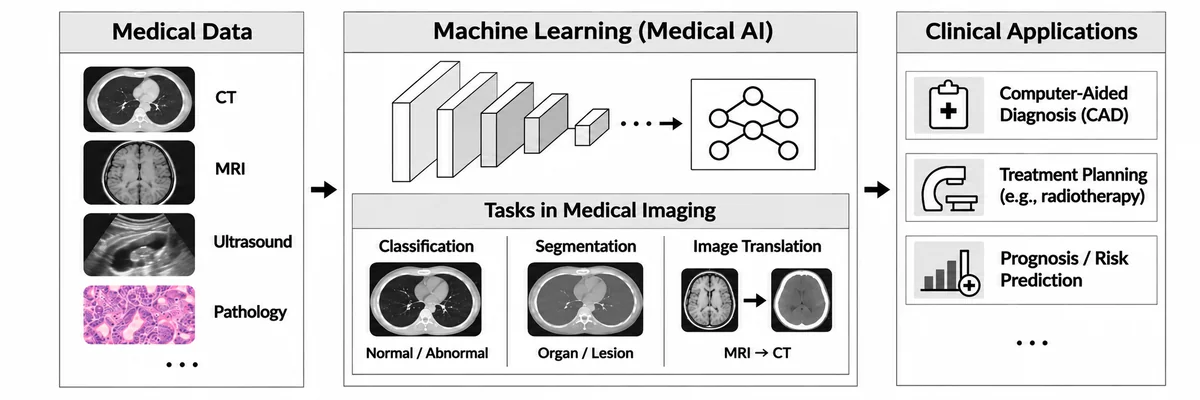
Integrating clinical records, genomics and bio-signals with machine learning
02

ML for Medical Data

Machine learning on heterogeneous healthcare data

We apply machine learning, deep learning, data science and statistics to medical data, including data integration analysis that combines multiple data sources.

Together with clinicians at Samsung Medical Center and Gachon University Gil Medical Center, we develop AI software that supports clinical decision-making.

  • Multi-source data integration
  • Deep learning-based missing data imputation
  • Fetal state & delivery risk prediction
  • Pathological analysis of Parkinson’s disease
Medical image analysis: segmentation and brain network analysis
03

Medical Image Data Analysis

Brain network analysis & AI in medical image processing

Brain network analysis — analyzing neuroimaging data for revealing brain function, structural biomarkers, neural processing, and disease biomarkers.

AI in medical image processing — developing novel AI methods for disease prediction, segmentation, diagnosis, and identifying biomarkers.

  • Brain connectivity & network analysis
  • Segmentation & disease diagnosis
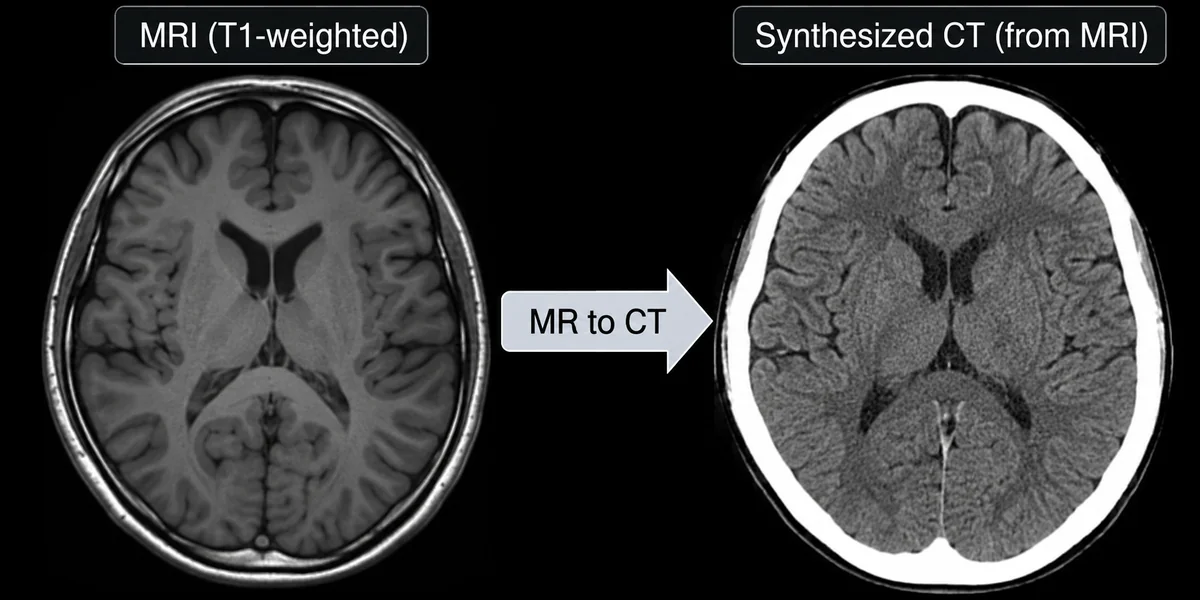
  • Medical image synthesis (e.g. CBCT-to-CT)
  • Medical foundation models & generative AI
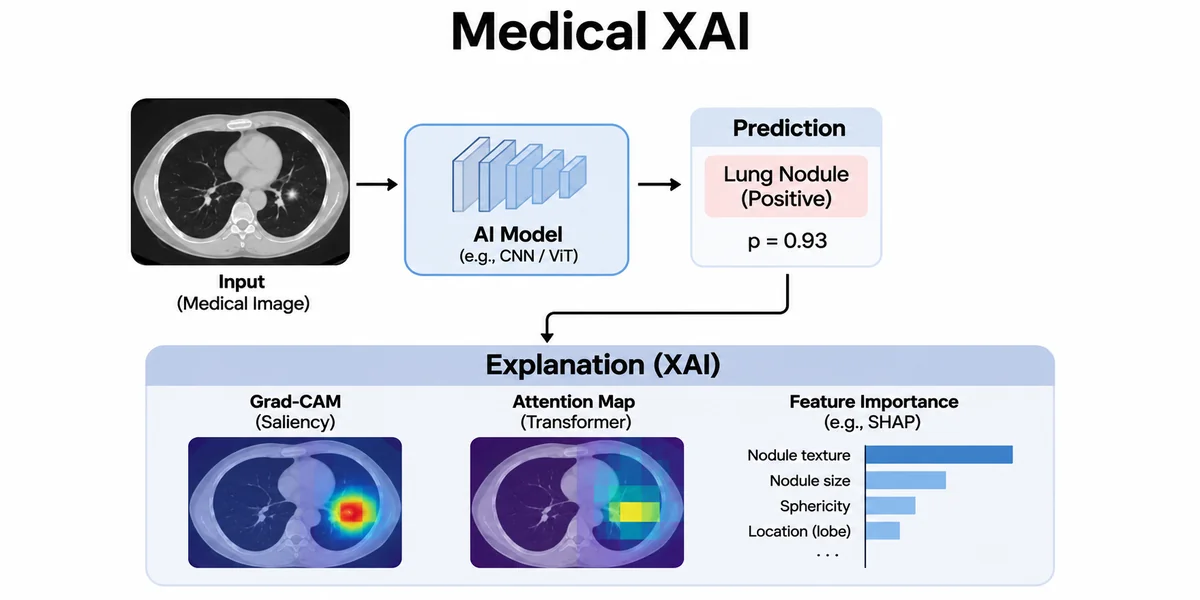
Explainable AI: saliency map highlighting the evidence behind a model prediction
04

Explainable AI (XAI)

Making medical AI transparent and trustworthy

For AI to be used in the clinic, its decisions must be understandable. We develop interpretable deep learning methods that reveal which image regions, genetic variants, or clinical features drive each prediction.

Explanations are also a path to discovery — they help us find and interpret biologically meaningful biomarkers.

  • Interpretable deep learning
  • Saliency & attribution maps
  • Feature importance for multimodal data
  • Biomarker interpretation